Biophilic design in a luxury home is best understood as three distinct layers of connection to nature: direct, physical presence of the natural world; indirect references through materials, patterns and forms; and spatial configurations that evoke natural settings. That three-category framework—Nature in the Space, Natural Analogues, and Nature of the Space—was articulated by the consultancy Terrapin Bright Green as a way to organize a rich diversity of strategies into the built environment, and it gives a homeowner a precise vocabulary for judging whether a property is genuinely biophilic or merely decorated with plants. The distinction matters: luxury-market writers describe biophilic design as a durable movement rather than a passing trend, one that supports physical and emotional well-being while distinguishing a home through enduring, experience-based value.
Understanding Biophilic Design in Luxury Homes
Biophilic design rests on a simple premise, as luxury real estate writers frame it: people experience greater happiness when their interior living spaces are meaningfully integrated with the natural world outside—an integration that encompasses light, ventilation, appealing views, and the sights, scents and sounds of the landscape. The term may be new to many buyers, but the concept is an old one: a contemporary approach to the traditional idea of bringing the outside in, aimed at enhancing the comfort a home provides and benefiting both physical and emotional well-being.
Crucially, the concept extends well beyond natural materials and greenery alone. While those elements are part of the picture, coverage aimed at the luxury sector stresses that biophilic design is a comprehensive philosophy rather than a styling choice—something a reader can verify in a property only by looking systematically across light, materials, views, water and space, which is the purpose of the checklist later in this article.
Core Principles: Connecting with Nature Directly
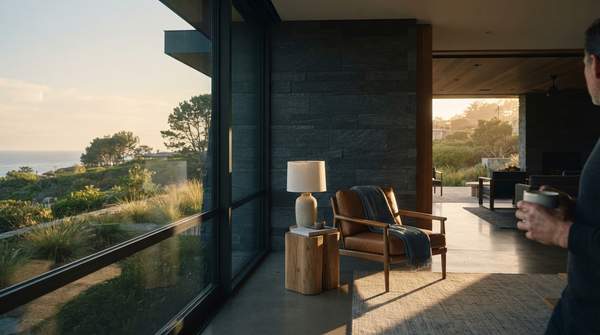
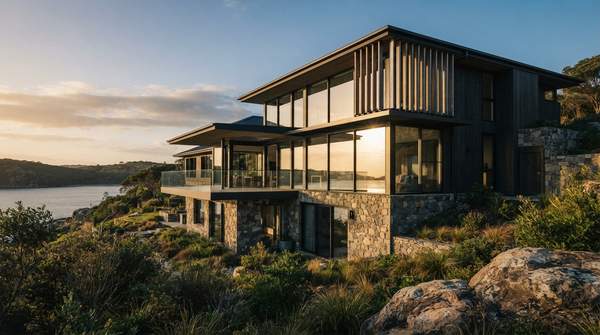
The first category, Nature in the Space, addresses the direct, physical and ephemeral presence of nature in a place: plant life, water and animals, as well as breezes, sounds and scents. In a high-end residence, the most consequential expression is the framed view. Luxury home marketing cites findings from commercial architecture that office workers with views of green spaces and trees—rather than parking lots—who can observe the sun moving across the sky experience less stress, greater creativity and fewer sick days, and argues the same principles apply to the home.
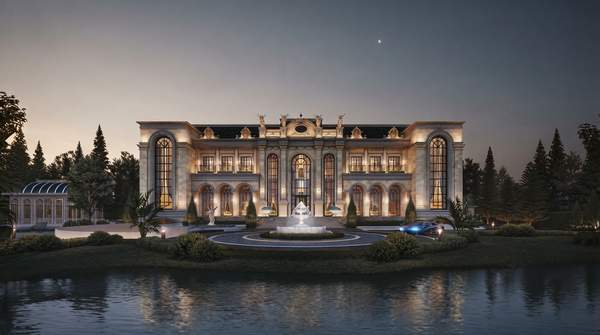
Living greenery counts as a direct connection when it functions rather than merely decorates. Vertical gardens, substantial plants and small interior gardens are described in luxury-sector coverage as essential elements for purifying air and improving quality of life, no longer simply ornamental. Water belongs in this category too: fountains, ponds, waterfalls and aquariums are identified as key biophilic elements, with high-end homes integrating them through systems designed for low consumption and easy maintenance. Reported correlations link both water features—indoors or as views of pools and fountains—and natural light with a sense of well-being and improved sleep.