Watchmaking
6 articles

What Makes a Watch a Grand Complication: The Three-Category Rule Explained
A watch is considered a grand complication when it integrates complex functions from at least three distinct categories: timing, astronomical, and striking. This convention signifies the pinnacle of watchmaking, demonstrating mastery across diverse horological domains.
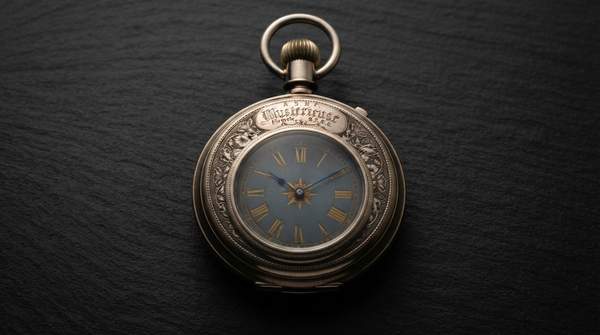
Floating in Air: How Mystery Dial Watches Hide Their Hands in Plain Sight
Mystery dial watches create the illusion of hands floating untethered over the dial, achieved by mounting hands on transparent crystal discs driven by hidden gears. This elegant deception, originating from stage magic, has evolved from large clocks to sophisticated wristwatches.
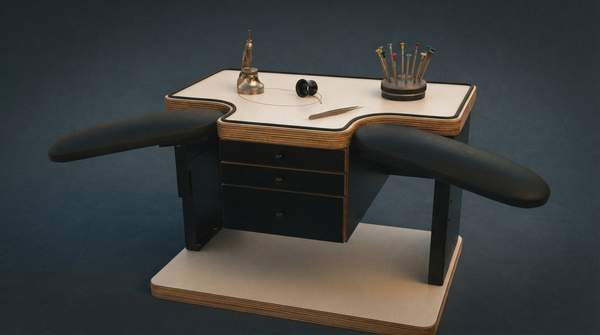
What It Takes to Earn the Poinçon de Genève: Craftsmanship, Origin, and the 2012 Turning Point
The Poinçon de Genève, or Geneva Seal, is a historic quality certification for mechanical watches assembled, adjusted, and cased in Geneva, guaranteeing origin, craftsmanship, and aesthetic finishing. Since a 2012 update, it also certifies the performance of the entire cased-up watch.
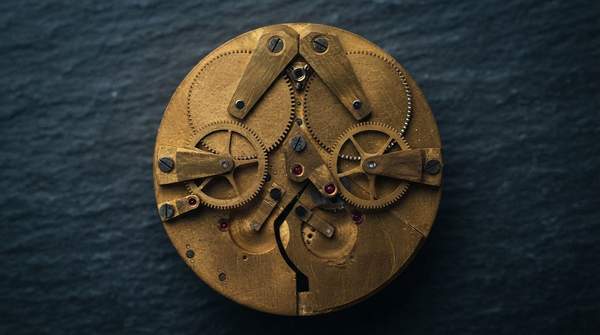
Two Balances, One Beat: How Resonance Is Engineered Into Modern Haute Horlogerie
Resonance in mechanical watches enhances accuracy by synchronizing two balance wheels, with modern haute horlogerie employing distinct engineering approaches. This article compares F.P. Journe's indirect mainplate coupling and Armin Strom's direct clutch spring, detailing their impact on precision and synchronization.

Micro-painting techniques in high-end watches defy mass production
A single micro-painted timepiece, like Girard-Perregaux's Cosmos model, commands a price tag of $371,000, placing it in a league of its own for miniature artistry.

What Are Watch Complications and Why Do They Matter?
In 2005, the Superbia Humanitatis earned a Guinness World Record for its 1,116 components, according to Time+Tide Watches .